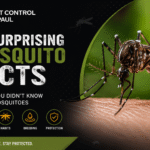
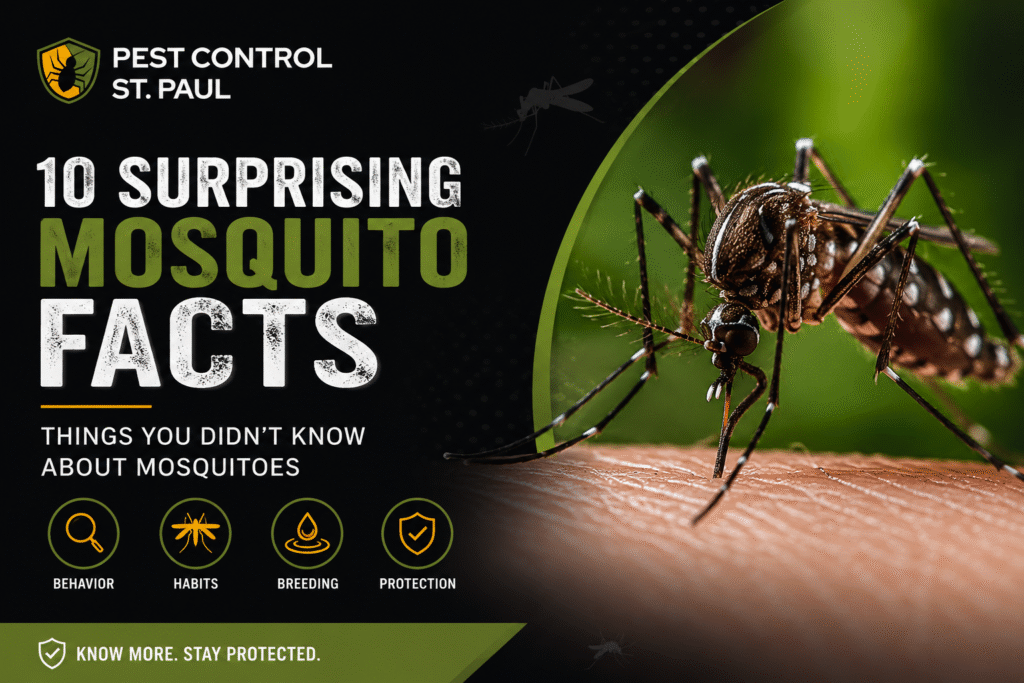
10 Surprising Mosquito Facts You Probably Didn't Know
From dinosaur-era survivors to disease carriers — here's what's really happening behind that itchy bite.
What Science Actually Knows About Mosquitoes
Only Females Bite
Males survive on nectar and sugary plant juices and are completely harmless to humans. Females need the protein and iron in blood to develop their eggs — that's the only reason they bite.
Older Than the Dinosaurs' Extinction
Mosquitoes have existed for over 100 million years, with ancient specimens preserved in amber. They're found on every continent except Antarctica, having adapted through massive shifts in Earth's climate and ecosystems.
Over 3,500 Species Worldwide
Each species has its own habits. Aedes bite during the day, Anopheles prefer nighttime, and Culex favor urban areas. Some target humans; others prefer birds, reptiles, or mammals.
They Can Smell You From 100+ Feet
Mosquitoes track the carbon dioxide we exhale, body heat, sweat, skin odor, and even our movement. Once they detect CO₂, they follow the scent trail and zero in using heat and smell.
Your Blood Type Plays a Role
People with Type O blood tend to get bitten more than those with Type A or B. Body heat, sweat output, CO₂ levels, skin bacteria, and even pregnancy also influence how attractive you are to mosquitoes.
The Deadliest Animal on Earth
Not because of the bite itself, but because of the diseases they spread: malaria, dengue fever, Zika, chikungunya, yellow fever, and West Nile virus. Hundreds of millions of people are affected every year.
Standing Water Is Their Lifeline
Females lay eggs in ponds, buckets, bird baths, flower pots, gutters, and water tanks. Under the right conditions, mosquitoes go from egg to adult in just 7–10 days, which is why populations spike after rain.
They're Part of the Food Chain
Mosquito larvae feed fish, frogs, dragonflies, and aquatic insects. Adults are prey for birds, bats, and spiders. Some species even help pollinate flowers while feeding on nectar.
Some Species Are Fussy Eaters
Certain mosquitoes prefer birds, horses, cattle, dogs, reptiles, or amphibians over humans, depending on their environment. Species that feed on both animals and humans can act as disease "bridges" between species.
Prevention Beats a Single Fix
No single trick eliminates mosquito risk on its own. Clearing standing water, using repellent, wearing long sleeves, installing screens, and using nets all work better when combined.
The Mosquito Life Cycle: Egg to Adult in 7–10 Days
Larvae Feed
- Fish
- Frogs
- Dragonflies
- Aquatic insects
Adults Feed
- Birds
- Bats
- Spiders
- Other insects
How to Protect Yourself — 6 Practical Steps
Quick Questions, Straight Answers
Got a Mosquito Problem That Won't Go Away?
If mosquitoes keep coming back around your property, a trusted local pest control team can help cut populations down and keep your family protected all season.
Get a Free Quote