Discovering a hornet nest near your home can be alarming. These aggressive stinging insects can pose a serious threat to you, your family, and your pets. Whether you spot a hornet nest in your house, hanging from a tree, or under your eaves, knowing how to safely remove hornets nest is crucial. This comprehensive guide will help you understand where hornets build nests, how to locate them, and the safest methods for hornet nest removal.
Understanding Hornets and Their Nests
Before we discuss hornet nest removal, it’s important to understand what you’re dealing with. Hornets are large wasps that are typically more aggressive than their smaller cousins. Unlike honey bees, hornets are not essential pollinators and pose no ecological benefit to your property. A single colony can contain 200 to 400 hornets, and they become increasingly defensive as their nest matures.
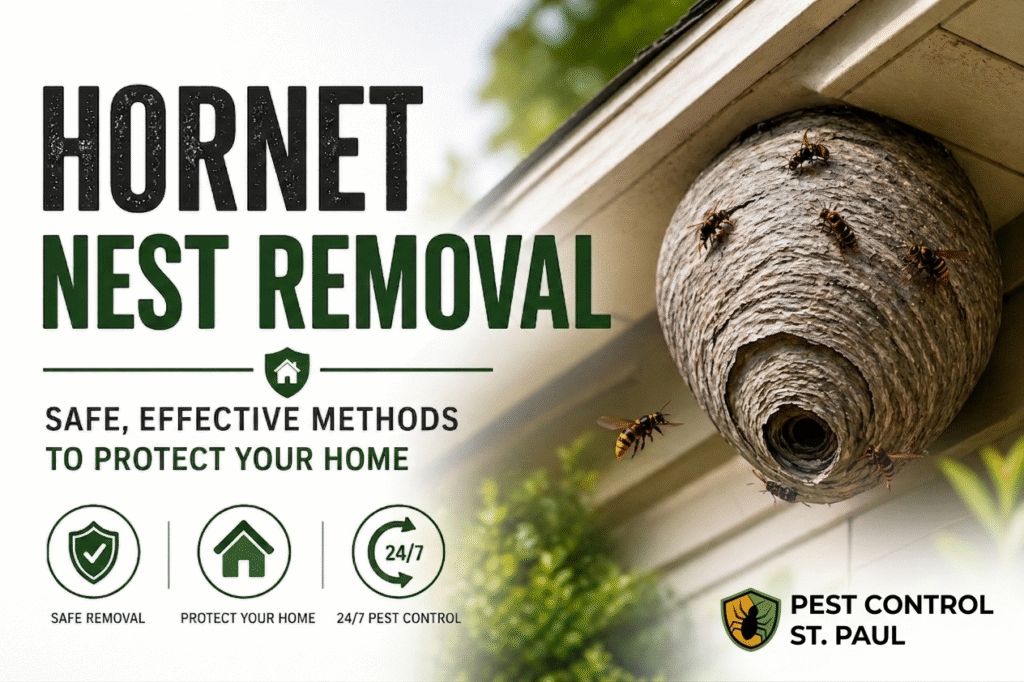
A hornet nest is a distinctive gray or brown papery structure made from chewed plant fibers mixed with their saliva. These nests can grow to the size of a basketball or larger. The nest typically features a distinctive opening near the bottom that serves as the entrance and exit point for the colony. Understanding this appearance is crucial for proper identification and safe hornet nest removal.
Where Do Hornets Build Their Nest?
Hornets are opportunistic when it comes to selecting nesting sites. Understanding their preferred locations is the first step in hornet nest removal.
Common Nesting Locations
Tree Branches and Shrubs
Hornets frequently construct their nests on high branches of trees or in dense shrubbery. These elevated locations protect from ground predators and allow them to survey their territory. If you notice increased hornet activity in your yard, check your landscaping carefully.
Under Eaves and Soffits
One of the most concerning locations is under the eaves or soffits of your home. This protected spot keeps the nest safe from the weather while remaining close to potential food sources. A hornet nest in house areas, like roof overhangs, requires immediate attention.
Inside Exterior Walls
Hornets often exploit small cracks, gaps, or holes in your home’s exterior to build nests within the walls themselves. This is particularly dangerous because the nest grows hidden from view, and you may only discover it when hornets begin entering your living spaces.
Garages and Sheds
If you frequently leave your garage door or shed open, hornets may establish a colony inside. These enclosed spaces provide ideal protection, especially if the structure contains small openings in the roof or walls.
In or Near Ground
Some hornet species prefer building nests at or below ground level, often taking over abandoned rodent burrows or creating cavities in the soil. These ground nests can be particularly dangerous because you might accidentally disturb them during yard work.
Around Attics
Your attic offers warmth and protection that hornets find attractive. If you hear buzzing sounds or notice hornets near your roof vents, your attic may harbor a colony.
How to Locate a Hornets Nest
Finding the nest is the first critical step in hornet nest removal.
Follow the Flight Pattern
The most effective way to locate a hornet nest is to observe the flight patterns of hornets you spot around your property. Watch where they’re flying and follow their direction. Hornets typically fly in relatively straight lines to and from their nest, making them easy to track. Pay attention during early morning or late evening when hornets are most active.
Set a Bait Trap
If you suspect hornets are in your area but can’t immediately spot the nest, create a bait trap using:
- A piece of raw meat
- Overripe fruit
- Sweet beverages
Place the bait near where you’ve spotted hornets. As they feed, they’ll return to their nest, and you can follow them. This method requires patience but is highly effective.
Visual Inspection
Conduct a thorough inspection of your property, particularly focusing on the common nesting locations mentioned above. Look for the distinctive papery nests, which typically appear gray or brownish in color. Use binoculars to safely examine high areas without getting too close.
Listen for Activity
During early morning or dusk, you may hear buzzing sounds coming from the nest location. This audio cue can help pinpoint the nest’s exact location before you attempt removal.
Safe Methods for Hornet Nest Removal
Once you’ve located the nest, you have several options for hornet nest removal.
Method 1: Professional Hornet Nest Removal (Recommended)
Why Choose Professional Removal?
Professional pest control technicians have the expertise, equipment, and protective gear to safely remove hornets nests without risking stings. This is especially important if:
- The nest is in a hard-to-reach location
- You have allergies to stings
- The colony appears large
- The nest is near high-traffic areas
Professional technicians understand hornet behavior and can eliminate the entire colony efficiently, preventing re-infestation. With 24/7 pest control availability, emergencies can be handled quickly and safely at any time.
Method 2: Insecticide Spray
Application Process:
- Choose the Right Time: Apply insecticide during dawn or dusk when hornets are less active
- Gear Up: Wear protective clothing including long sleeves, pants, gloves, and eye protection
- Apply Insecticide: Use a hornet-specific insecticide spray and saturate the nest thoroughly
- Wait: Let the insecticide work for 24–48 hours
- Remove the Nest: Dislodge the nest into a garbage bag using a long tool
- Seal and Dispose: Seal the bag immediately and dispose of it properly
Safety Tips:
- Never attempt removal on a sunny day
- Keep a clear escape route
- Have someone nearby in case of emergency
- Wear dark-colored clothing
Method 3: Vacuum Method for Individual Hornets
For single hornets inside your home (not for nest removal), using a vacuum cleaner is effective:
- Attach the hose extension
- Turn on the vacuum
- Carefully suck the hornet inside
Why This Works:
This method prevents the hornet from releasing alarm pheromones that would alert other hornets.
Hornet Nest Removal Near Me: When to Call Professionals
While DIY removal is possible, professional hornet nest removal services offer significant advantages:
- Safety: Proper equipment and training
- Efficiency: Faster and thorough removal
- Prevention: Sealing entry points
- Liability: Insured services
If you’re searching for reliable Pest Control Services St Paul, choosing experienced professionals ensures effective and long-lasting results.
Prevention Tips
After successful hornet nest removal, prevent future infestations:
- Seal cracks and gaps in your home’s exterior
- Keep garbage cans tightly sealed
- Remove food sources outdoors
- Install window and door screens
- Trim tree branches away from your home
- Keep garage doors closed
Conclusion
Whether you’re dealing with a hornet nest in house areas, hanging from trees, or hidden in walls, prompt action is essential. While DIY methods can work, professional hornet nest removal services provide the safest and most reliable solution. If you’re in the St. Paul area, our team offers 24/7 pest control and expert Pest Control Services St Paul to keep your home safe.
Remember: your safety is paramount. When in doubt, call the professionals.
Ready for professional hornet nest removal? Contact our Pest Control Services St Paul experts today for a free inspection and quote!
Frequently Asked Questions
Where Does Hornets Build Their Nest?
Hornets are highly adaptable insects and can build their nests in a wide variety of locations, depending on the species and environment. Most commonly, they prefer elevated and sheltered areas such as tree branches, dense shrubs, roof eaves, and soffits. These spots protect the nest from predators and harsh weather conditions.
In residential settings, hornets often take advantage of structural gaps and build nests inside wall cavities, attics, garages, and sheds. Some species even construct nests underground, using abandoned rodent burrows or soft soil. Because of this flexibility, it’s important to regularly inspect both indoor and outdoor areas of your property to catch early signs of nesting activity.
How to Get Rid of a Hornets Nest?
Getting rid of a hornets nest requires careful planning and safety precautions. The most reliable and safest approach is hiring professional pest control services, especially for large or hard-to-reach nests. Professionals have the right protective equipment and expertise to eliminate the colony completely.
If you choose a DIY method, it’s critical to act during early morning or late evening when hornets are less active, and most of them are inside the nest. Use a hornet-specific insecticide spray and apply it from a safe distance, targeting the nest entrance. After waiting 24–48 hours for the insecticide to take effect, you can carefully remove the nest using a long tool. Always wear protective clothing and ensure you have a clear escape route in case the hornets become aggressive.
Are hornets more dangerous than bees?
Yes, hornets are generally considered more dangerous than bees, primarily due to their aggressive nature and ability to sting multiple times. Unlike honey bees, which can only sting once and then die, hornets can sting repeatedly without harm to themselves.
Additionally, hornets are highly territorial and will aggressively defend their nest if they feel threatened. Their stings are also more painful and can cause stronger reactions in some individuals. For people with allergies, even a single sting can be life-threatening, making hornet infestations particularly serious.
How long does it take to remove a hornet nest?
The time required to remove a hornet nest depends on several factors, including the size of the colony, the nest’s location, and the method used. Professional pest control services can often neutralize a nest within a few hours during the initial visit. However, complete elimination, including ensuring no hornets return, may take 24 to 48 hours.
For DIY removal, the process typically takes longer. After applying insecticide, you need to wait at least one to two days before safely removing the nest. Rushing the process can be dangerous, as surviving hornets may still be active and aggressive.
Can hornets return after nest removal?
Yes, hornets can return after nest removal if the conditions that attracted them in the first place are still present. While a removed nest will not be reused, the same area may attract a new colony in the future.
Factors such as open food sources, accessible shelter, and unsealed entry points can encourage hornets to rebuild nearby. To prevent this, it’s important to seal cracks and gaps in your home, keep garbage tightly closed, and remove any food or sugary residues from outdoor areas. Preventative maintenance is key to avoiding repeat infestations.
What should I do if I get stung by a hornet?
If you get stung by a hornet, the first step is to clean the affected area with soap and water to prevent infection. Apply a cold compress or ice pack to reduce swelling and pain. Over-the-counter antihistamines or pain relievers can help manage itching and discomfort.
Monitor your symptoms closely. Mild reactions like redness and swelling are common, but if you experience severe symptoms such as difficulty breathing, dizziness, swelling of the face or throat, or a rapid heartbeat, seek emergency medical attention immediately. These could be signs of an allergic reaction, which requires urgent care.
Is it safe to remove a hornet nest at night?
Yes, nighttime is generally the safest time to attempt hornet nest removal. During the night, hornets are less active and most members of the colony are inside the nest, which increases the effectiveness of treatment and reduces the risk of being stung.
However, even at night, hornets can become aggressive if disturbed. Proper protective gear, careful planning, and maintaining a safe distance are still essential. Using a flashlight with a red filter can also help, as hornets are less sensitive to red light.
How much does professional hornet nest removal cost?
The cost of professional hornet nest removal can vary depending on several factors, including the size of the nest, its location, accessibility, and the severity of the infestation. Nests located in difficult areas like wall cavities or attics may require more time and specialized equipment, increasing the cost.
While pricing varies, investing in professional services ensures the job is done safely and thoroughly. Many companies also provide follow-up inspections and preventative measures, which add long-term value by reducing the chances of future infestations.